
"coffee farming in Haiti"
300 article(s) found

Introduction to the flavor and taste of Dominica Santo Domingo coffee manor
In 1586, Captain Drake of England led a fleet to attack the city of Santo Domingo, but was repulsed by Spanish troops stationed there. Between 1605 and 1606, towns on the west coast of Hispaniola were often plundered by pirates, causing most of the local population to move inland. [3] at the beginning of the 17th century, French, Dutch and British pirates were operating in the west of Hispaniola, and France began to let farmers

Introduction to the characteristics of high-quality coffee beans in Dominica Santo Domingo coffee flavor and taste varieties
In 1677, about 4,000 French lived in 11 villages in the west of the island. In 1697, France and Spain ceded the western part of the island to France according to the Leswick Treaty of the Alliance War, formally recognizing French sovereignty over Haiti in the western part of the Spanish island, and the eastern part of the Spanish island was called East Santo Domingo. France continues to develop its agricultural economy on the island of Hispaniola.

Dominica coffee with rich aroma and mellow taste the characteristics of boutique coffee in manor area
In 1677, about 4,000 French lived in 11 villages in the west of the island. In 1697, France and Spain ceded the western part of the island to France according to the Leswick Treaty of the Alliance War, formally recognizing French sovereignty over Haiti in the western part of the Spanish island, and the eastern part of the Spanish island was called East Santo Domingo. France continues to develop its agricultural economy on the island of Hispaniola.

Flavor description of Dominican coffee with mellow taste introduction to the characteristics of the taste of grinding degree
In 1677, about 4,000 French lived in 11 villages in the west of the island. In 1697, France and Spain ceded the western part of the island to France according to the Leswick Treaty of the Alliance War, formally recognizing French sovereignty over Haiti in the western part of the Spanish island, and the eastern part of the Spanish island was called East Santo Domingo. France continues to develop its agricultural economy on the island of Hispaniola.

A brief introduction to the treatment method of grinding degree and roasting degree of Dominica Santo Domingo coffee with strong taste
The origin of coffee in the Dominican Republic: the best coffee producing place in the Dominican Republic is the Barahona region in the southwest, but Juncalito and Ocoa also produce a kind of high-quality coffee-SantoDomingo coffee, the characteristic of Dominican Republic coffee: Dominican Republic coffee is fresh and light.

Description of Dominica Coffee Flavor with mellow taste A brief introduction to the characteristics of the varieties of Grinding degree
In 1677, about 4,000 French lived in 11 villages in the west of the island. In 1697, France and Spain ceded the western part of the island to France according to the Leswick Treaty of the Alliance War, formally recognizing French sovereignty over Haiti in the western part of the Spanish island, and the eastern part of the Spanish island was called East Santo Domingo. France continues to develop its agricultural economy on the island of Hispaniola.

Introduction of Flavor characteristics of Fine Coffee beans in Dominica Santo Domingo Coffee Variety producing area
In 1677, about 4,000 French lived in 11 villages in the west of the island. In 1697, France and Spain ceded the western part of the island to France according to the Leswick Treaty of the Alliance War, formally recognizing French sovereignty over Haiti in the western part of the Spanish island, and the eastern part of the Spanish island was called East Santo Domingo. France continues to develop its agricultural economy on the island of Hispaniola.

Introduction to the fresh and elegant growing environment of Dominican boutique coffee beans
In 1677, about 4,000 French lived in 11 villages in the west of the island. In 1697, France and Spain ceded the western part of the island to France according to the Leswick Treaty of the Alliance War, formally recognizing French sovereignty over Haiti in the western part of the Spanish island, and the eastern part of the Spanish island was called East Santo Domingo. France continues to develop its agricultural economy on the island of Hispaniola.

A brief introduction to the history and culture of the origin and development of Dominican boutique coffee
Boutique coffee has become popular in recent years. High-quality coffee beans produced by some Dominican estates have a rich aroma, mellow taste and moderately bright sour taste, which are not far from the more famous Puerto Rico beans or Jamaican beans, and are also worth tasting. Dominica coffee beans have moderate acidity and rich fruit flavor. Western Hispaniola, 1500 m above sea level

Santo Domingo, Dominican Republic Coffee Varieties Producing Areas Flavors Taste Characteristics Boutique Coffee Introduction
In 1677, about 4,000 French lived in eleven villages in the western part of the island. In 1697, France and Spain ceded the western part of the island to France under the Treaty of Leswick of the Great Alliance War, officially recognizing French sovereignty over Haiti in the west of the Spanish island, and calling the eastern part of the Spanish island Santo Domingo. France on Hispaniola continues to develop an agricultural economy

A brief introduction to the planting situation of Dominican boutique coffee beans, geographical location, climate and altitude
The Dominican Republic is a popular country for travelers. It lives next to Haiti on the island of Hispaniola in the West Indies, Dominica in the west and Haiti in the east. The whitest and softest white sand in the world, the cool sea breeze from the Atlantic and Caribbean and the warm sunshine in the tropics make it a holiday paradise on a par with Maldives and Hawaii.

Description of Dominican Coffee Flavor with mellow taste introduction to the taste characteristics of boutique coffee beans
Located in the Jarabacoa region near Siwao, it has the largest farm in Dominica, Ramirez Manor (RamirezEstates), which mainly grows Kaddura varieties, and most of the coffee produced is sold to Europe, the United States and other western countries and regions. Ramirez Manor itself produces coffee in an environmentally friendly way. Coffee from Dominica is made with A.

The flavor and taste of Dominica coffee with pure and soft aroma introduce the characteristics of fine coffee in the manor area.
At the beginning of the 17th century, when French, Dutch and British pirates were operating in the west of Hispaniola, France began to allow farmers and merchants to gradually colonize the western part of the Spanish island, which was blocked by mountains on the island. It didn't attract the attention of the Spaniards in the east. [3] in 1677, about 4,000 French lived in 11 villages in the west of the island. In 1697, France and

Introduction to the characteristics of high-quality coffee beans with flavor and taste in Dominica coffee producing areas
In 1677, about 4,000 French lived in 11 villages in the west of the island. In 1697, France and Spain ceded the western part of the island to France according to the Leswick Treaty of the Alliance War, formally recognizing French sovereignty over Haiti in the western part of the Spanish island, and the eastern part of the Spanish island was called East Santo Domingo. France continues to develop its agricultural economy on the island of Hispaniola.

An introduction to fine coffee beans in the manor with a winding, smooth and smooth Dominican coffee flavor.
In 1677, about 4,000 French lived in 11 villages in the west of the island. In 1697, France and Spain ceded the western part of the island to France according to the Leswick Treaty of the Alliance War, formally recognizing French sovereignty over Haiti in the western part of the Spanish island, and the eastern part of the Spanish island was called East Santo Domingo. France continues to develop its agricultural economy on the island of Hispaniola.

Introduction to boutique coffee from Dominica with winding aftertaste and smooth taste.
Thousands of Tylenos were demoted to slavery and engaged in gold mining. Due to a series of oppression, hunger and disease, by 1535, the Tino had only 60,000 left. In 1501, King Ferdinand I and Isabella of Spain were the first to allow Caribbean colonists to introduce slaves from Africa. They began to arrive on the island in 1503. [3] in the early days of the Spanish island, the Spaniards were in the new.

Introduction of Dominica boutique coffee with full grains and excellent acidity
In 1677, about 4,000 French lived in 11 villages in the west of the island. In 1697, France and Spain ceded the western part of the island to France according to the Leswick Treaty of the Alliance War, formally recognizing French sovereignty over Haiti in the western part of the Spanish island, and the eastern part of the Spanish island was called East Santo Domingo. France continues to develop its agricultural economy on the island of Hispaniola.

Introduction to the description of variety price and flavor of Yinshan Manor coffee producing area with fragrant and smooth taste
China Coffee Network faces Haiti across the Jamaica Strait to the east and is about 140 kilometers north of Cuba. It is the third largest island in the Caribbean, with a coastline of 1220 kilometers. Jamaica (Jamaica) is an island country in the Caribbean. The reason why Jamaica is called Jamaica actually comes from the word "Xaymaca" in Arawak language, which is full of trees and.
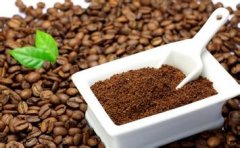
The taste of full-bodied Dominican fine coffee beans grind roasting degree processing method
The Dominican Republic is a favorite country for travelers. It borders Haiti on Hispaniola in the West Indies, Dominica to the west and Haiti to the east. The whitest, softest white beaches in the world, cool ocean breezes from the Atlantic and Caribbean and warm tropical sunshine make it a holiday paradise on par with the Maldives and Hawaii

Introduction to the characteristics of Dominica Santo Domingo Coffee Flavor Manor
At the beginning of the 17th century, French, Dutch, and British pirates were operating in the western part of the island of Hispaniola. France began to allow farmers and merchants to gradually colonize the western part of the Spanish island, blocked by the island's mountains. Without attracting the attention of Spaniards in the east, in 1677, about 4,000 French lived in 11 villages in the west of the island. In 1697, France and Spain